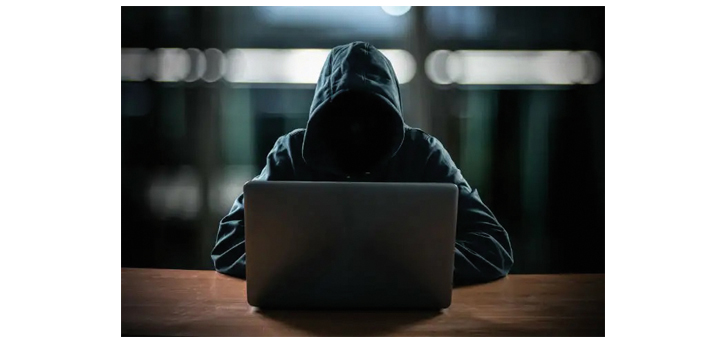
According to the United States Department of Justice, identity theft and fraud are “all types of crime in which someone wrongfully obtains and uses another person’s personal data in some way that involves fraud or deception, typically for economic gain.”
Identity theft is a serious problem affecting consumers every day. In 2021, The Federal Trade Commission received 1.4 million complaints relating to this type of theft. Knowing how to prevent identity theft makes your identity more secure.
If you are a victim of identity theft, you have the right to ask the credit bureaus to place fraud alerts in your file, letting potential creditors and others know that you may be a victim of identity theft. A fraud alert can make it more difficult for someone to get credit in your name because it tells creditors to follow certain procedures that protect you.
Only a few organizations such as motor vehicle departments, tax departments and welfare departments have the right to require your Social Security number. In addition, employers, banks and other financial institutions that necessitate tax transactions can require your Social Security number, but for all other instances, ask if they will accept an alternative proof of identification.
Pick up your checks at the bank instead of having them sent to your home when you order new ones. This makes it harder for your checks to be stolen, altered and cashed by identity thieves. In addition, make sure to keep private information like your full name or driver’s license off of your checks.
Identity thieves may call you, posing as banks or government agencies. Do not give out personal information over the phone unless you initiated the call. Register your phone number with the National Do Not Call Registry to avoid all calls from telemarketers trying to get your information over the phone. Visit www.donotcall.gov.
Shred your receipts, credit card offers, expired credit cards, bank statements, returned checks and any other sensitive information before throwing it away.
Ensure that your employer, landlord, medical care facilities and anyone else with access to your personal information keeps your records safe. Be sure to read any privacy policies if you must share information with outside entities.
Being able to quickly alert your creditors is key to preventing others from using your personal information or bank and credit cards if these items ever become stolen. Be sure to also keep this information secure so it does not fall into the wrong hands.
Be aware of any information that you, your friends, family, and organizations you are associated with post online. Any personally identifiable information about you online like date of birth or mother’s maiden name may be used for identity theft. Be aware of suspicious “phishing” email scams and never send information such as your social security number, credit card number, or User ID/Password through an email.
Update your computer and devices with the latest anti-virus software to help protect against harmful malware and viruses. Stay away from public Wi-Fi networks or hotspots as these can be an easy way for criminals to steal your personal information off your portable device. If you must share personal information online for transactions, make sure you are using a secure network.
Learn more about fraud prevention on my website at https://www.swpp.info ■
Recent Stories
-
Pregnancy is a Family Affair: Community Support in Maternal & Child Health
A community-centered approach to maternal health is more important than ever. Massachusetts continues to experience persistent disparities in maternal morbidity and infant outcomes, with families of color disproportionately affected (MA DPH, 2024). For many expectant mothers, particularly Black, Brown, and immigrant women, culturally grounded support systems play a crucial role in bridging gaps created by…


Upcoming Events
[tribe_events view=”photo” tribe-bar=”false” events_per_page=”2″]
Af-Am Point of View Recent Issues
May 2026

April 2026
March 2026
February 2026

See More Past Issues of Af-Am Point of View Newsmagazine