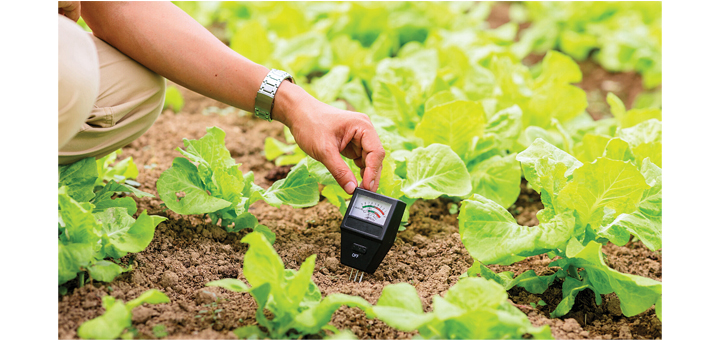

Welcome to Can You Dig It?, your monthly column for all things related to the farm or gardening so you can supplement your eating with the freshest food possible, save money, and try to make peace with groundhogs. October is the month dentists rejoice, but it’s also when all types of squashes and pumpkins are harvested and the pumpkin spice wars begin. What we want to focus on are some suggestions about what materials and techniques we should be doing to finish the season out strong, and prepare for spring 2025. Let’s jump right into it.
Composting
Use kitchen scraps, garden waste (not the diseased stuff or things that have been on the ground) and leaves to create compost. This adds essential nutrients back into the soil.
Sources: Vegetable food scraps, ripped cardboard (small pieces), leaves.
Cover Crops
Plant cover crops like clover, rye or winter wheat. These crops prevent soil erosion, add organic matter and fix nitrogen in the soil.
Sources: Fedco Seeds.
Mulching
Apply a thick layer of organic mulch, such as straw or wood chips. Mulching does so much, and I talked about it all spring – basically all summer, and now that we are moving into fall/winter, it serves its purpose again by helping to retain moisture, suppress weeds, and gradually decompose which also enriches the soil. Any plants overwintering will do much better with mulch than without it.
Sources: Tree removal companies; if you ask/call/email a farm or farmer, they have a straw link.
Leaf Mold
Collecting fallen leaves then allowing them to decompose in a pile is how you create leaf mold. This is an excellent soil conditioner that improves soil structure and water retention. There are techniques that take months and those that may take a year or two. One method that I’ve seen work is to use a lawn mower to shred the leaves, add a little water while you rake into a pile and cover.
Sources: Fall leaves before it snows.
Green Manure (or Cover Crops)
I understand why the technical connection to manure, but you let me know if “green manure” rolls off the tongue effectively(!). Despite the vocabulary misstep, growing green manure/cover crops are indispensable as a closing season activity. I would include legumes which are tilled back into the soil to add organic matter and nutrients. Also try cover crops like clover, rye, or winter wheat. These crops prevent soil erosion, add organic matter and fix nitrogen in the soil.
Sources: Fedco Seeds, High Mowing Seeds.
Soil Tests and Rock Dust
Add rock dust to your soil to replenish trace materials based on a soil test to assure you apply the right mix of substances. This can improve soil fertility and plant health. A little can go a long way, so always try to follow all the instructions and be a smart consumer because there are people selling things at fluctuating prices.
Sources: Soil Testing at University of Massachusetts, UConn, Logan Labs, Amazon and Ace Hardware are a source for rock dust.
Worm castings
Incorporate worm castings into your soil. They are rich in nutrients and beneficial microbes that enhance soil health.
Sources: Most independent farm stores will have worm castings.
Clean up Garden/Farm Debris
Another simple but effective way to (hopefully) not keep recycling pests and diseases into your growing spaces is to remove any diseased or infested plants NOT in the compost but in the trash.
Sources: Know the common diseases of your plants, look for insects daily.
Plant Garlic
October is an ideal time to plant garlic. Varieties like German Extra Handy and California Late are excellent for zone 6
Sources: If you haven’t ordered any garlic by October, you may find it difficult to order them from ordinary sources like seed companies. If you shop at a store that sells organic garlic, it can serve as a seed source if needed.
Thank you for your time, and as always, for any farm or gardening questions please reach out to canyoudigit413@gmail.com ■