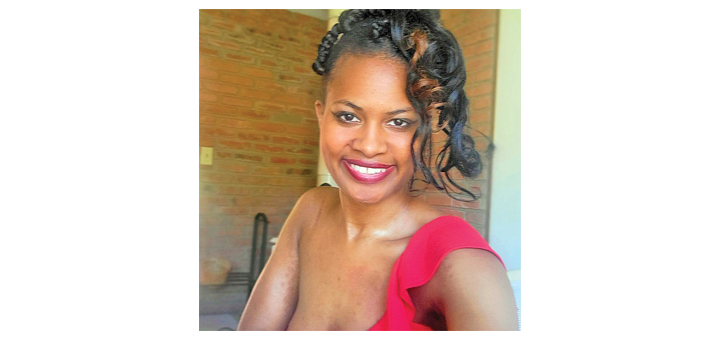

I conducted this interview with one of my homebirth clients, Shatoyia Jones-Medor, and I learned so much. Shatoyia serves as an international women’s advocate, full-time founder of Cacica of Kingdom Woman Finishing School of self-mastery and divinity, and teaches and performs Chakacha movement practice. This interview is an exploration of Chakacha movement, its history and context, its beauty and benefits. Shatoyia, a current resident of Springfield, will be a guest at the Springfield Community Birth Circle on Sunday, January 5 at 3 PM. For more details, please contact me directly: kristin@greaterspringfieldmidwifery.com
Kristin: How do you refer to
the movement that you practice and teach?
Shatoyia: I practice and perform Chakacha (also known as Taarab) which originated in East Africa and is practiced in many regions of Africa.
Kristin: Will you share the history and cultural context for this practice throughout the world?
Shatoyia: Chakacha (also known as Taarab), similar to the Congolese soukous dance, originated in East Africa of the Swahili people, historically credited to Kenya and Tanzania. It is practiced throughout many regions of Africa. The movement practice, also known under the umbrella of Ngoma (which means drum, loosely translated to music) which includes dance, poetry and music, was one created to celebrate weddings and special occasions, as well as celebrate femininity, womanhood and facilitate childbirth. It was originally only performed and watched by women. Chakacha (more secular sources of music) is an extension of Taarab (traditional and non-secular musical sources and instruments). Taarab incorporates storytelling and message sharing (messages are often sarcastic).
Kristin: Are there misunderstandings about this practice among the general public?
Shatoyia: Absolutely. It’s the same narrative with most things in the western world. When you do a deeper dive, you realize how whiteness has been systemically centered and how the western world (and those influenced by it) are unfortunately conditioned to believe whiteness to be the origin of innovation, excellence and creativity thanks to the influence of western media and power heads. This movement practice is no different from the millions of other innovations and traditions whose origins have been appropriated and misattributed without giving credit where it is due.
Let’s start with the name and origin of the movement practice (which also ties into who is the face of this movement practice when you think of it). The movement practice is unfortunately known around the world as bellydance, which is a term derived from the French ‘Danse du ventre,’ a more sexualized and performative version of the movement practice, also usually performed to appeal to the male gaze throughout western society. However, the practice originated in many different regions of Africa and was actually performed by women for women in social environments to celebrate femininity, feminine wellness, childbirth and storytelling before it made its way throughout the Middle East (Raqs Baladi, occasionally Raqs Sharqi), Asia, Europe and western society (bellydance, Danse du ventre). There are so many names depending on region: Raqs Al Tunisia, Rai, Shabbi, Guedra, Chaâbi (North Africa), Umushagiriro, Makossa, Sabar, Adumu and Egu Nakuru (Sub-Sub Saharan Africa), Yoruba traditional dances, Chakacha (West Africa), Eskista, Dhaanto (Horn of Africa / Somali Peninsula and East Africa). Very rarely, when one outside of the practice and culture thinks of “bellydance” or movement practices that emulate it, do they think of a feminine, dark brown skin woman with curly, coily hair or a head wrap with curvy body type and traditional African features rather than traditional European. Because of this, another misconception is that the movement practice is for those of a certain body shape or age. When done with proper historical context and cultural significance, the movement practice is actually great for all body types and ages. Every dance has its own history, attachments and unique characteristics to define them though they all are very similar in focus areas of grounded body movements with a focus on shoulders, hips and torso.
Kristin: What was your inspiration for learning/studying this skill/art form/practice?
Shatoyia: After making discoveries as it relates to my heritage and culture as a Louisiana native and realizing that the history taught in the United States of America is incomplete, I went on a journey to learn more about the innovations, discoveries and technologies developed by African peoples. As time went on, I began to be intentional about studying and incorporating African elements and touches of my Louisiana Creole heritage into everything I did, whether it be something as simple as my wardrobe to something more in depth like any business I create or anything I teach or performances that I do. This is my way of holding myself accountable to learn the excellence within my own Diaspora of people because I quickly realized the world did not want me to know it. It is also my way of rebelling against the lies told about the contributions of Africans and taking pride in my African culture to inspire curiosity in others and inspire others to do the same.
Kristin: Do you feel like this practice is relevant for modern women in the childbearing year? Prenatal? Birth? Postpartum? Can you explain its relevance?
Shatoyia: 1000% yes–no doubts about it! In fact, when I think back on it, I think that’s probably why my pregnancy was such a surprise to myself, my husband and two clinicians who told me it was nearly impossible for me to be pregnant based on the hormones in a urine test that I took and discouraged me from getting an ultrasound. Not only was I 12 weeks pregnant, I was in tip-top shape, but I didn’t experience any of the normal symptoms like nausea or morning sickness. It is also a gentle but firming movement practice that helps you maintain muscle before, during and after pregnancy without putting a heavy strain on your body. In my opinion, it’s really a top-tier movement practice for women of all ages and stages of life, and as I go through my pregnancy it has really helped me to re-balance and re-center in my new body, gracefully embrace the physical/mental/spiritual changes that come with carrying and developing a new life in my womb, fight depression and develop a deep, personal connection with my baby (who by the way has been extremely active and healthy since the beginning)!
Other benefits include: Tone muscle / Improve posture / relieve back and joint pains / lose weight / aid in preparation for childbirth / relaxing form of meditation and physical movement / low impact workout for all ages / relieve menstrual pain & PMS…and so much more! Seriously, the mental/physical/spiritual/emotional benefits are endless.
Kristin: How has the study of this craft enhanced your own personal development?
Shatoyia: The movement practice has not only kept me in tip-top shape, but it also is a daily reminder and practice for me as a woman to take time for me to develop a deep spiritual connection and reverence for myself as a woman and all the divine significance that holds. It reminds me of the uniqueness and divine positioning of the entirety of the female body from the hair to the mind to the silhouette to the womb to the toes and why it is so important that we are selective about who we give access to our body and mind. I know the power and influence of a feminine presence. That level of depth in understanding of who I am and created to be has contributed to my [almost] unshakeable quiet confidence and because I walk by example, allows me to inspire that confidence in other women and sets me apart in my work with women with Kingdom Woman Finishing School.
Kristin: In what places and contexts do you teach and share your knowledge on this with others?
Shatoyia: I have taught and performed this practice online and offline internationally. I go wherever the movement and practice will be honored and valued for not just its benefits, but also its history and cultural context. This could be anywhere from someone’s backyard or living room, a women’s event or social circle, a historical group that celebrates heritage and tradition, a dance workshop or masterclass, a celebration or wedding. I have also choreographed for different film and movement projects. I also dance it regularly in my own living room or wherever I am for exercise and also self care.
Contact for bookings, classes and performances: Shatoyia Jones ● 413-417-2629 ● Kingdom Woman Finishing School ● helloshatoyia@gmail.com ● shatoyiajones.com ■