In fall 2019, I, along with a group of law students from American University Washington College of Law, traveled to Dilley, Texas to provide free immigration legal assistance at the South Texas Family Residential Center (STFRC). We were among hundreds of volunteers who traveled every month to Dilley from across the United States. Our goal was to help women and their children prepare for the daunting process of applying for asylum.
Under U.S. immigration law, asylum is granted to persons who have been persecuted or fear being persecuted based on their race, religion, political opinion, or membership in a particular social group. Winning an Asylum requires overcoming several hurdles. My students and I assisted with one of those hurdles: we gave know-your-rights presentations to help immigrant mothers and their children prepare for a credible fear interview (CFI). A positive outcome in a CFI does not automatically confer asylum status. It would only allow them to submit an asylum application and continue with their case, in adversarial proceedings, before an immigration judge. However, they may still be detained pending the outcome of the proceedings. Overall, the chances of winning asylum while detained are slim.
Do not let the name of the facility fool you. It is a detention center for immigrant women and children who are seeking asylum because they fear persecution or torture in their home countries. STFRC is managed and operated by a for-profit prison corporation, called Corrections Corporation of America (now CoreCivic), on behalf of the U.S. Immigration and Customs Enforcement (ICE), Department of Homeland Security.
The detention center first opened in 2014, under the Obama Administration. Under Trump’s first presidency, ICE continued detaining women and children and even went as far separating mothers from their children to dissuade them from pursuing their right to seek asylum. President Biden stopped holding families in detention in 2021, in response to public outrage. The Trump Administration resumed operations at STFRC in March 2025. As of March 2026, The Marshall Project estimates that ICE has detained 6,200 children in Trump’s second term, alone. ICE is detaining an average daily number of 706 people at STFRC.
In February 2026, Pro Publica reported on horrid conditions inside STFRC. Multiple news sources reported hundreds of stories of children falling ill, not receiving proper nutrition and medical treatment, and no schooling. Many children have been hospitalized and then returned to the detention center upon discharge from the hospital.
Now, instead of focusing on their asylum cases, these women and children are fighting for their lives and freedom. Advocates are currently filing civil lawsuits known as Habeas Corpus Petitions against ICE to demand the release of children and their mothers. Recently, a family succeeded in their lawsuit after 10 months of detention. Many will point to U.S. immigration laws to justify it as legal. However, let this be a reminder that even if something is “legal”, it can still be immoral. Detaining families is immoral and the law must change.
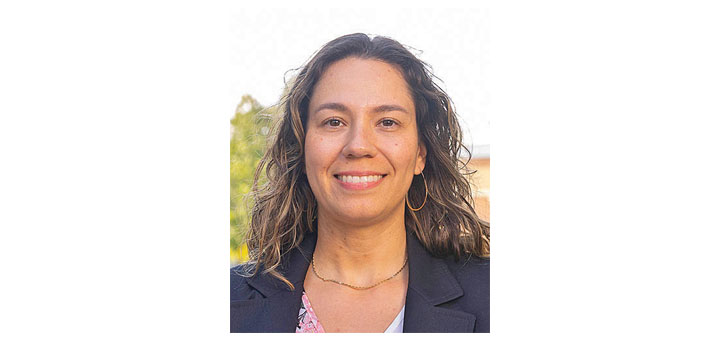
Professor Assad teaches Immigration Law, Criminal Law, Criminal-immigration law, and Legislative and Administrative Process at Western New England School of Law. ■
Recent Stories
-
Free Summer Eats Meal Program Returns to Springfield to Keep Kids and Teens Nourished All Summer Long
With the school year having ended on June 23rd, Chartwell K12, Springfield Public Schools, and Home Grown Springfield are helping ensure that no child goes hungry this summer through the Summer Eats Free Meals Program.


Upcoming Events
[tribe_events view=”photo” tribe-bar=”false” events_per_page=”2″]
Af-Am Point of View Recent Issues
August 2026

July 2026

June 2026

May 2026

See More Past Issues of Af-Am Point of View Newsmagazine