
When I was a teenager growing up in New York City, I was just one of many inner-city kids searching for something more—more opportunity, more direction, more purpose. I decided to join the City Volunteer Corps (CVC)—a move that would quietly but powerfully shape the trajectory of my life.
What we didn’t have in material resources, we made up for in determination and heart. But the heart alone doesn’t pave the way forward. It was through CVC, which later became part of the AmeriCorps national service network, that I found a structured path to not just dream, but to build.
CVC was more than community service—it was a lifeline. It placed young people like me in spaces where we could contribute meaningfully, learn responsibility, and see our own value reflected in the impact we made.
Through the City Volunteer Corps, participants like me painted schools, mentored younger kids, cleaned neighborhoods, and supported families—often in communities that looked like my neighborhood. But the transformation wasn’t just external. The most lasting changes happened within us.
AmeriCorps, which officially came into being in 1993 under the National and Community Service Trust Act, integrated programs like CVC and AmeriCorps VISTA to expand opportunities for Americans to serve. What that meant on the ground, in real lives, was that youth who had never seen college as an option suddenly had access to education awards. Teens who the system had written off were now being equipped with life skills and leadership tools. We weren’t being rescued—we were being empowered.
Looking back, CVC gave me the framework to become who I am today. It instilled in me the belief that service isn’t about charity—it’s about justice. It’s about leveling the field so kids from communities with fewer resources aren’t left behind simply because of where they were born or what their families could afford. It’s about reminding America that brilliance, resilience, and leadership grow in every ZIP code.
When we talk about youth development and community service today, especially for inner-city youth, we must do more than highlight disparities. We must build and fund the pathways that allow young people to rise. Programs like CVC—now under the AmeriCorps umbrella—are not optional. They are essential. They are the bridge between potential and realization for kids who have all the talent but few tools.
I’m living proof that access to service can change a life. The question now is: How many more lives will we allow it to change?
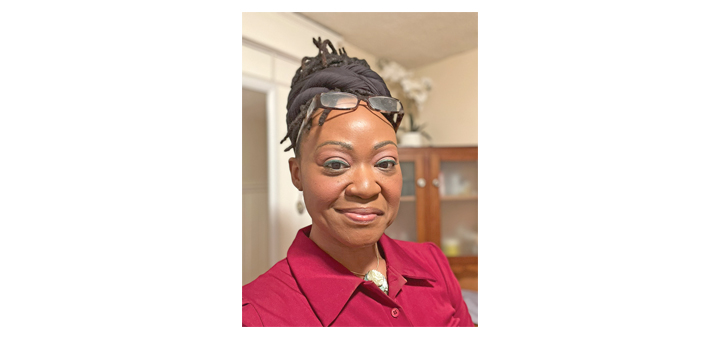
About the Author: Uduak Enyiema is a community leader, mother of three, and Vice President of Development and Community Relations at the Gándara Center. She believes in the power of service, the promise of young people, and the responsibility we all share to open doors for the next generation. Learn more or connect at www.uduakenyiema.com. ■
What we didn’t have in material resources, we made up for in determination and heart. But the heart alone doesn’t pave the way forward. It was through CVC, which later became part of the AmeriCorps national service network, that I found a structured path to not just dream, but to build.
CVC was more than community service—it was a lifeline. It placed young people like me in spaces where we could contribute meaningfully, learn responsibility, and see our own value reflected in the impact we made.
Through the City Volunteer Corps, participants like me painted schools, mentored younger kids, cleaned neighborhoods, and supported families—often in communities that looked like my neighborhood. But the transformation wasn’t just external. The most lasting changes happened within us.
AmeriCorps, which officially came into being in 1993 under the National and Community Service Trust Act, integrated programs like CVC and AmeriCorps VISTA to expand opportunities for Americans to serve. What that meant on the ground, in real lives, was that youth who had never seen college as an option suddenly had access to education awards. Teens who the system had written off were now being equipped with life skills and leadership tools. We weren’t being rescued—we were being empowered.
Looking back, CVC gave me the framework to become who I am today. It instilled in me the belief that service isn’t about charity—it’s about justice. It’s about leveling the field so kids from communities with fewer resources aren’t left behind simply because of where they were born or what their families could afford. It’s about reminding America that brilliance, resilience, and leadership grow in every ZIP code.
When we talk about youth development and community service today, especially for inner-city youth, we must do more than highlight disparities. We must build and fund the pathways that allow young people to rise. Programs like CVC—now under the AmeriCorps umbrella—are not optional. They are essential. They are the bridge between potential and realization for kids who have all the talent but few tools.
I’m living proof that access to service can change a life. The question now is: How many more lives will we allow it to change?
About the Author: Uduak Enyiema is a community leader, mother of three, and Vice President of Development and Community Relations at the Gándara Center. She believes in the power of service, the promise of young people, and the responsibility we all share to open doors for the next generation. Learn more or connect at www.uduakenyiema.com. ■