Welcome back to Can You Dig It? your first stop for learning from my mistakes so you can grow with confidence. During these cold winter months, we get a chance to slow down and look at what are some things we can do to improve our growth for the upcoming season. This month, I wanted to share a few products that I use from time to time to increase productivity. Here are 5 of the best and most affordable soil amendments for Western Massachusetts, focusing on locally available options that address the region’s specific needs (acidic, rocky, clay-heavy soils).
Municipal/Regional Compost
Why it’s a good option: Compost is great for building organic matter, improving drainage in clay dominated soils, boosts moisture retention in sand soils, feeds microbes, and (potentially) can add slow-release nutrients. Western MA has excellent facilities producing compost from yard and leaf waste.
Affordability: Extremely cost-effective when bought in bulk by the cubic yard from facilities like Springfield’s CLF (Carbon Leaf Filter) compost, or transfer stations in towns like Northampton, Amherst and Greenfield. Often costs a fraction of bagged products.
Leaf Mold (Decomposed Leaves)
Why it’s a good option: A great soil conditioner for the forested Northeast. It creates a spongy humus that dramatically improves soil structure and water retention without adding excessive nutrients (great for native plants and perennial beds).
Affordability: Free. Simply rake fall leaves into a pile or wire bin, keep them moist, and let them decompose for 1-2 years (very important). Shredded leaves can also be used as a mulch or tilled directly into garden beds in the fall.
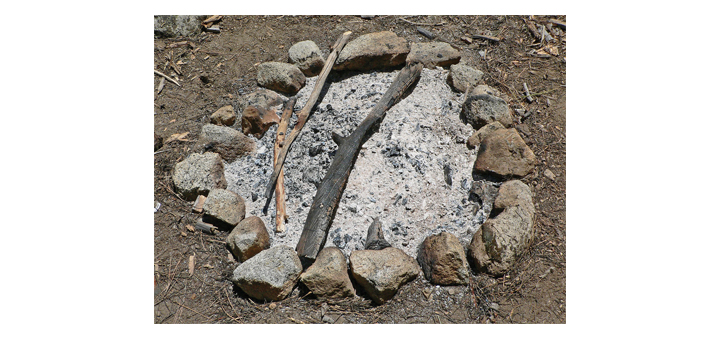
Wood Ash (From Hardwood Only)
Why it’s a good option: A direct, free solution for the region’s acidic soils. It raises pH (acts like lime) and adds potassium and trace minerals. Crucially, use only ash from untreated wood.
Affordability: Free. Generated from home wood stoves or fireplaces. Use sparingly (no more than 1 gallon per 100 sq ft per year).
Agricultural Lime (or Pelletized Lime)
Why it’s a good option: The most reliable, long-term method to raise soil pH based on science. A soil test from UMass Amherst will tell you exactly how much is needed to correct acidity for optimal plant growth.
Affordability: Very affordable when purchased in 50lb bags from local feed & grain stores (check for it in the Hadley/Amherst area) or landscape supply yards. Bulk is even cheaper. Regular “ag lime” is less expensive than pelletized, but pelletized is easier to spread.
Gypsum (Calcium Sulfate)
Why it’s a good option: Specifically, excellent for improving the heavy clay soils common in the Connecticut River Valley. It helps break up clay compaction, improves drainage and aeration, and adds calcium without altering soil pH.
Affordability: Buy in bulk from a landscape supply yard for large areas (most cost-effective) or in bags from garden centers for smaller beds. It’s a targeted, high-value amendment for a common local problem.
Bottom Line: The best affordable amendments are compost, leaf mold, wood ash, agricultural lime, and gypsum. By sourcing compost locally, utilizing free leaves and ash, and buying lime/gypsum in bulk from regional suppliers, you can significantly improve your soil at minimal cost.
Workshops/Events
● NOFA (MA) Winter Conference @ UMass Amherst – February 28
● Urban Farming Symposium (hosted by MDAR) @UMass Boston – March 28
● Ujamaa Cooperative Farming Alliance (UCFA) “Seed & Culture Conference,” University of the District of Columbia, Lamond-Riggs Campus – March 6-7
Thank you for your time, and as always, to share or ask any farm or gardening questions please reach out to: canyoudigit413@gmail.com ■
Recent Stories
-
Free Summer Eats Meal Program Returns to Springfield to Keep Kids and Teens Nourished All Summer Long
With the school year having ended on June 23rd, Chartwell K12, Springfield Public Schools, and Home Grown Springfield are helping ensure that no child goes hungry this summer through the Summer Eats Free Meals Program.


Upcoming Events
[tribe_events view=”photo” tribe-bar=”false” events_per_page=”2″]
Af-Am Point of View Recent Issues
August 2026

July 2026

June 2026

May 2026

See More Past Issues of Af-Am Point of View Newsmagazine