Picture this: you are a Black professional in Massachusetts. You did everything right. You built your career, showed up, and delivered. Still, you were passed over, pushed out, or forced to navigate a workplace that made clear you were tolerated rather than truly welcomed. You pushed back, and now your employer offers a settlement. Along with it comes a stack of papers filled with dense legal language, including a non-disclosure agreement. You are exhausted. You need the money. You sign. What you do not know is that others had the same experience with the same manager.
That silence is not incidental; it is the design. Non-disclosure agreements (NDA) have become a standard tool for companies facing discrimination claims. They do not resolve the underlying problem. They contain it and keep it out of public view. The burden of that silence does not fall evenly. Research from Lift Our Voices and Pennsylvania State University shows that Black and Asian workers are bound by these agreements at higher rates than white workers. That disparity reflects how these agreements are used: most often against the workers most likely to have something to disclose.
Many workers assume they are protected because federal law allows them to file a charge with the Equal Employment Opportunity Commission or the Massachusetts Commission Against Discrimination even after signing an NDA. That assumption is only partially correct. Courts have made clear that an NDA cannot prevent someone from filing a discrimination claim or participating in an investigation. That protection, however, is limited to formal legal proceedings. Outside of that context, an NDA can restrict what workers say and to whom they say it. It can prevent a conversation with a colleague considering a job, stop a warning that never gets shared, and obscure patterns of misconduct because each person believes they are alone. The law protects an individual’s right to file a complaint, but it does not protect a community’s ability to recognize a pattern.
Other states have recognized this gap. Silenced No More Act prohibits employers in California from using NDAs to silence workers about workplace discrimination, including race. New Jersey treats NDAs covering discrimination, retaliation, or harassment as unenforceable, and New York permits them only when they reflect the employee’s preference and allows time to reconsider. Massachusetts has enacted none of these protections. Legislative proposals have stalled, leaving NDAs in discrimination settlements governed by general contract law, which often reflects disparities in leverage and access to legal representation.
The consequences are concrete. When Black workers are silenced, patterns remain hidden, repeat offenders stay in place, and new employees enter the same environments without warning. Structural racism in the workplace is reinforced when accountability is absent.
Anyone presented with an NDA should consult an employment attorney before signing. No agreement can eliminate the right to communicate with enforcement agencies, including the Equal Employment Opportunity Commission and the Massachusetts Commission Against Discrimination, but these agreements can limit far more than many workers expect. Pressure to sign quickly should be treated as meaningful information.
Massachusetts has declined to draw the line that other states have. Silence should not be the price of survival at work. ■
Recent Stories
-
STCC’s Phi Theta Kappa Honor Society Earns Honors at International Convention
SPRINGFIELD – Springfield Technical Community College’s Alpha Psi Sigma Chapter of the Phi Theta Kappa Honor Society earned top honors at both the regional and international levels this spring, culminating in one of the organization’s highest global recognitions.


Upcoming Events
[tribe_events view=”photo” tribe-bar=”false” events_per_page=”2″]
Af-Am Point of View Recent Issues
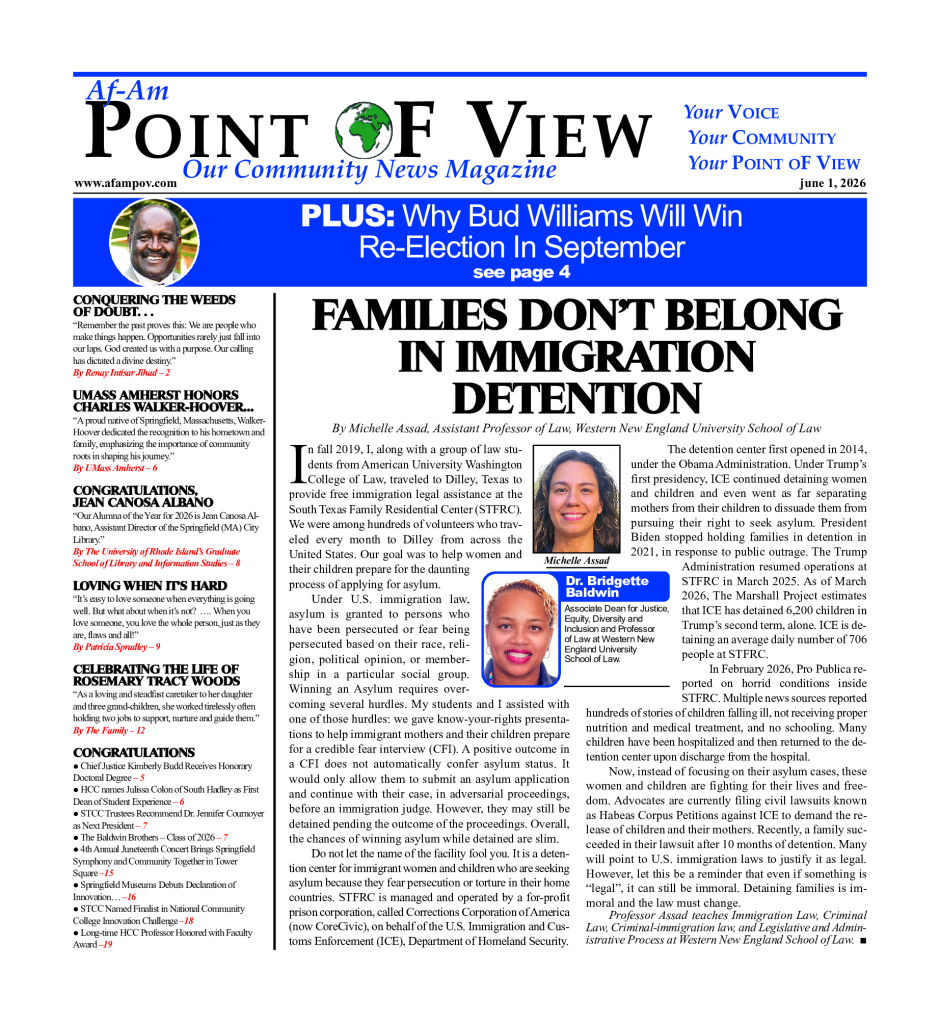
June 2026
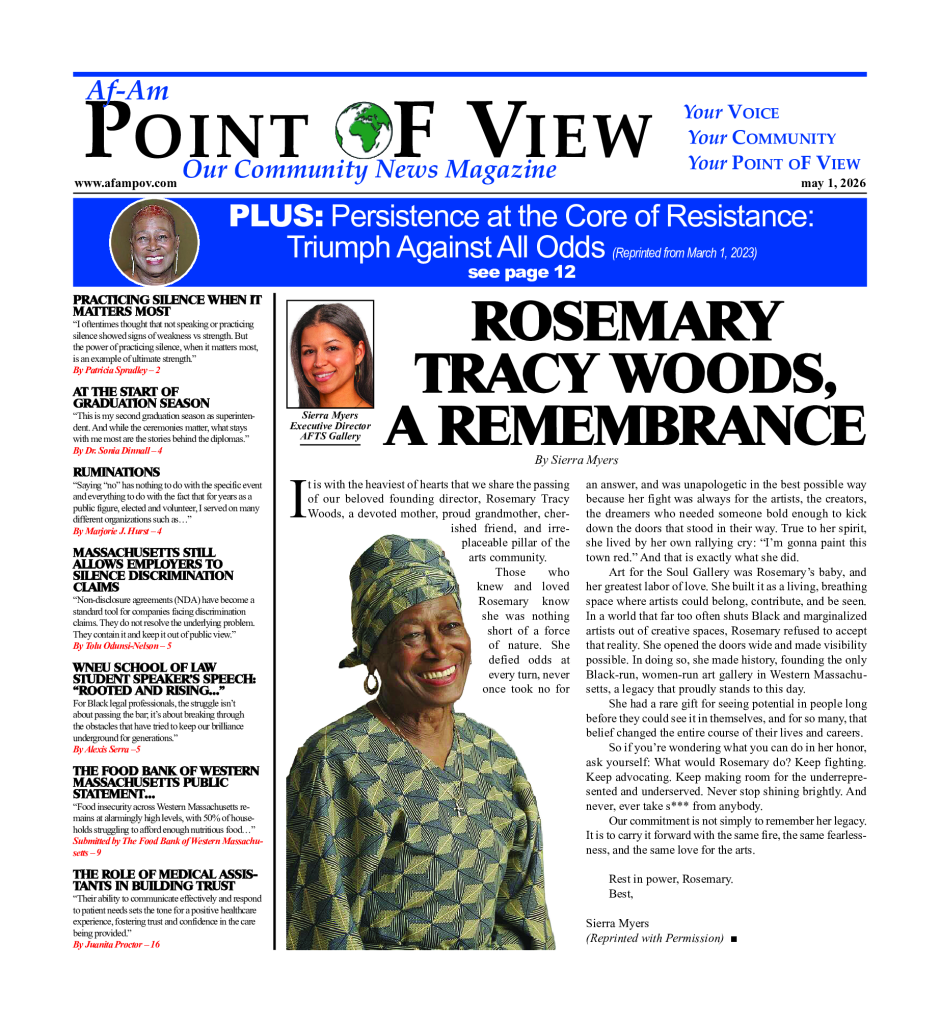
May 2026
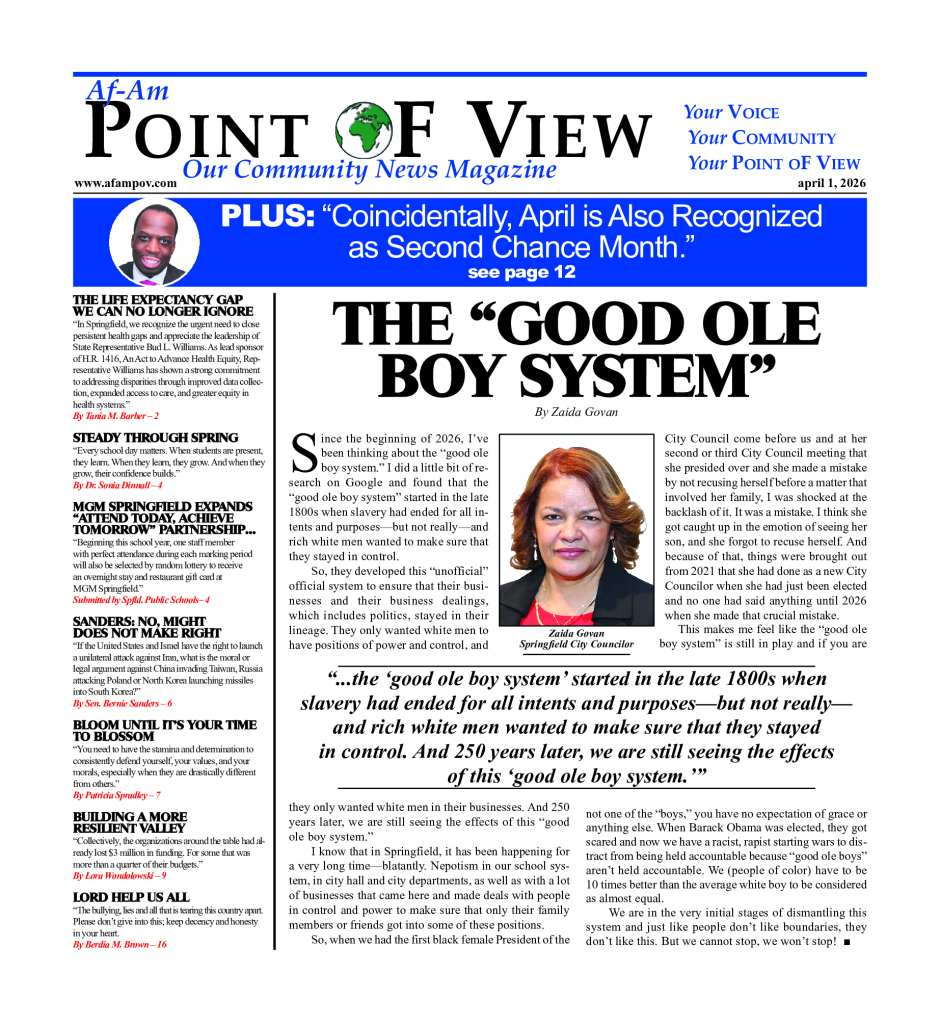
April 2026
March 2026
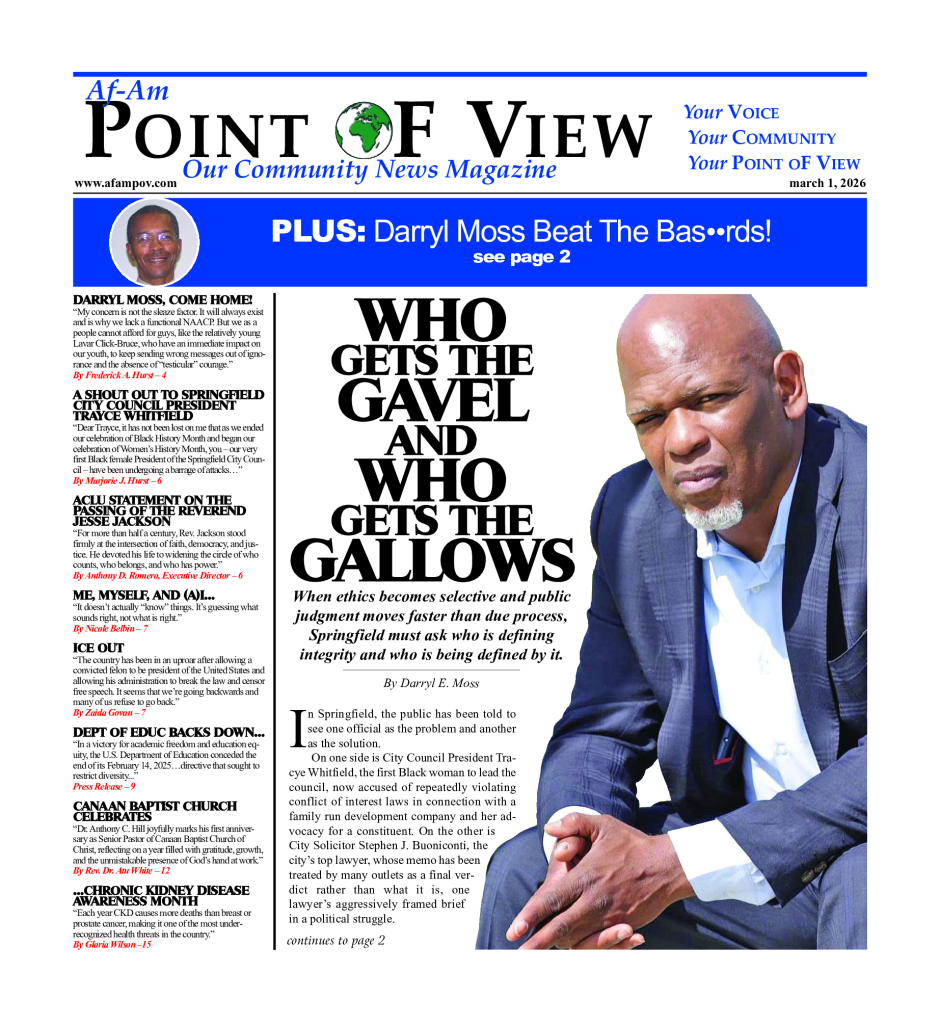
See More Past Issues of Af-Am Point of View Newsmagazine