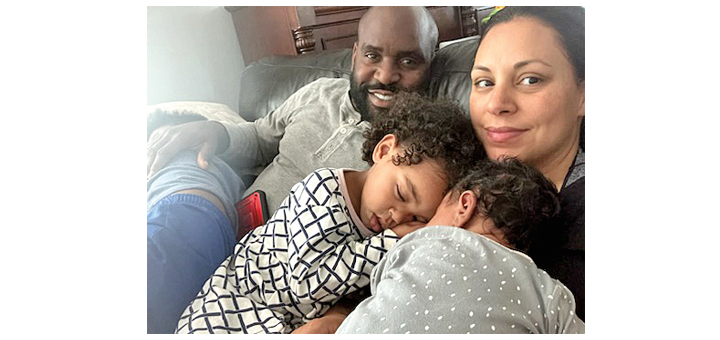
On a sunny day this past June, Laconia Fennell, midwife-in-training, and I went to the Springfield homes of two of our clients for their final postpartum appointments.
We, the midwives, documented the newborn’s vitals: weight, heart rate, respirations, fontanelles, length. We checked in about feeding schedules and diapering and whether there were challenges with sleeping or napping. We discussed any difficulties the families were facing: one baby only wanted to nap in mom’s arms, the other baby had a blocked tear duct which was causing build-up around his left eye. We offered solutions. Then, we affirmed the creative strategies that the parents had already employed to navigate the twists and turns of six weeks with their new baby.
We also focused on the mom. How was her body healing? Was she getting the right nutrient-dense foods? good teas and protein rich snacks? Were there friends and family bringing meals? Helping with the kids? Tidying the home? We checked mom’s vitals as well: blood pressure, pulse, temperature, and a check-in about postpartum bleeding.
The first visit that day was to a fourth time mom, experienced and seasoned. Even though this was her first homebirth, she, of course, was confident and comfortable with her newborn from the start. As we discussed her and her baby’s health, her three other children were dancing around, reading books, pulling out beads to string bracelets. Her postpartum challenge had been to find time to rest, feed her newborn and nourish herself while also responding to her active young children.
In contrast, when we arrived at the second client’s home, she was holding her first and only child, a lively vibrant little girl, who she was nursing on the couch. She and her partner had prepared so well for all the contingencies of life with a new baby and, yet, becoming a parent has such a steep learning curve. Not only healing physically and emotionally from the epic journey of labor and birth, but learning how to nurse, care for, comfort your baby while getting very little sleep is a whole body and mind challenge.
For this small family, over the course of the six weeks, Laconia and I conducted more frequent appointments and were in touch often. We focused on nursing support. We organized a meal train so that they could rest, we connected them to a doula for practical and emotional support. Laconia introduced the client’s husband to a few dads who gave support and perspective to the new father. When we sat with them for the final appointment, the couple acknowledged both how hard it was at the beginning but how also, with the right support, they were able to navigate it.
Comprehensive and individualized postpartum care is so important for the short- and long-term health of a family. Researchers emphasize that stress and overwhelm of new parents are leading causes of postpartum depression and anxiety. It hasn’t always been this way. In almost every culture and tradition throughout the world, a month to forty days was reserved for healing and renewal after birth. As Heng Ou, the author of “The First Forty Days” writes: “Like a golden rope connecting women from one generation to the next, the protocol of caring for the new mother by unburdening her of responsibilities and ensuring she rests and eats shows up in wildly diverse places, from India to Mexico, from Burma to Arizona, from Russia to Cambodia, and beyond…. Millions of aunts, mothers-in-law, grandmothers, and neighbors, who have, since time immemorial, shown up with soup and clean sheets and a listening ear to serve the woman who has just given birth.”
Let’s all grab on to this age-old golden rope and support families in practical ways as they embark on parenting a new life. (If you want to join our postpartum meal train, let me know!) ■
Recent Stories
-
Free Summer Eats Meal Program Returns to Springfield to Keep Kids and Teens Nourished All Summer Long
With the school year having ended on June 23rd, Chartwell K12, Springfield Public Schools, and Home Grown Springfield are helping ensure that no child goes hungry this summer through the Summer Eats Free Meals Program.


Upcoming Events
[tribe_events view=”photo” tribe-bar=”false” events_per_page=”2″]
Af-Am Point of View Recent Issues
August 2026
July 2026

June 2026
May 2026

See More Past Issues of Af-Am Point of View Newsmagazine