On September 10, at Utah Valley University, the nation was shocked by the news that Charlie Kirk, a prominent right-wing conservative figure, was assassinated during his speaking and debate circuit across country called American Comeback Tour. While such violence is never justified, this tragic event demands we confront a dangerous truth: the climate of hostility and incendiary rhetoric cultivated over years has made violence seem like an acceptable or inevitable response.
Kirk’s death is not an isolated incident but a grim symptom of a broader problem. Over the past few years, events such as the January 6 Insurrection, the killing of a Democratic state representative, Melissa Hortman and her husband, Mark, in Minnesota, and the attempted kidnapping of House Speaker Nancy Pelosi and attack on her husband, Paul, have demonstrated how rhetoric fueled by extremism can escalate into violence. These acts are born from a polarization that often treats political disagreement as mortal combat rather than a healthy debate.
Some conservative voices, such as Steven Bannon, Nick Fuentes, Candace Owens and even Kirk’s, have promoted narratives emphasizing nationalism, anti-establishment sentiments, and the demonization of opponents. While defending free speech is fundamental, it must never serve as a license to incite hatred or justify violence. The rhetoric that celebrates confrontation and dehumanizes political adversaries creates a dangerous environment where fanaticism can flourish.
The phrase “chickens coming home to roost” resonates profoundly here. The culture of division, fear, and hostility has eroded the boundaries of civil discourse, making acts of violence, once inconceivable, increasingly plausible. The First Amendment protects free expression, but it does not and should not shield speech that incites violence or threats to life. Yet, the line between debate and danger is growing dangerously thin.
Kirk’s assassination signals a perilous turning point, an ominous warning of how words and actions can spiral into tragic consequences. We are witnessing a “new age civil war,” driven not only by guns and missiles but also by social media, misinformation, hatred, and the normalization of violence as a political tool.
This moment demands profound reflection and responsibility from all sides. Leaders and influencers who emphasize confrontation and hostility must recognize the real toll of their words. Patriotism and respect for America’s core values require rejecting rhetoric that fuels violence and hate.
The chickens have come home to roost. The killing of Charlie Kirk is a stark reminder: reckless rhetoric and an environment of hostility can have deadly consequences. Moving forward, we must commit to civility, dialogue, and responsibility if we are to protect our democracy and prevent further tragedy. ■

Recent Stories
-
Free Summer Eats Meal Program Returns to Springfield to Keep Kids and Teens Nourished All Summer Long
With the school year having ended on June 23rd, Chartwell K12, Springfield Public Schools, and Home Grown Springfield are helping ensure that no child goes hungry this summer through the Summer Eats Free Meals Program.

Upcoming Events
[tribe_events view=”photo” tribe-bar=”false” events_per_page=”2″]
Af-Am Point of View Recent Issues
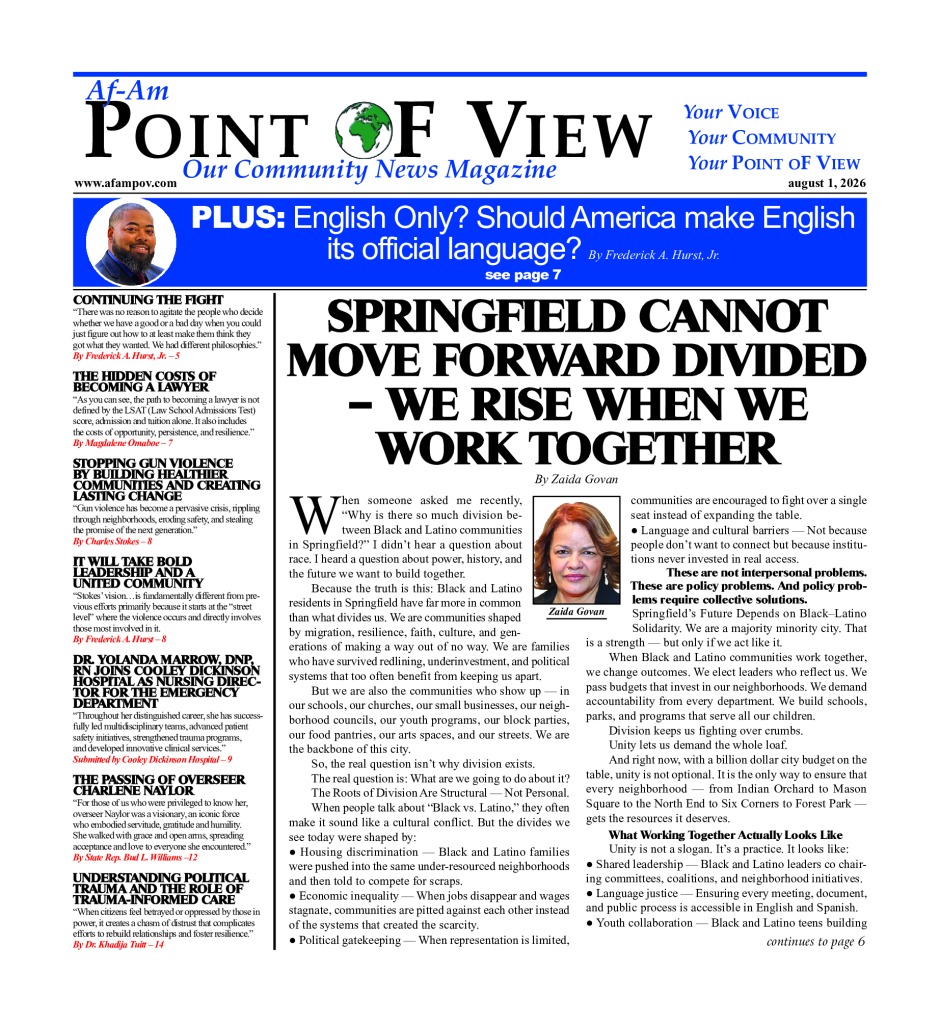
August 2026
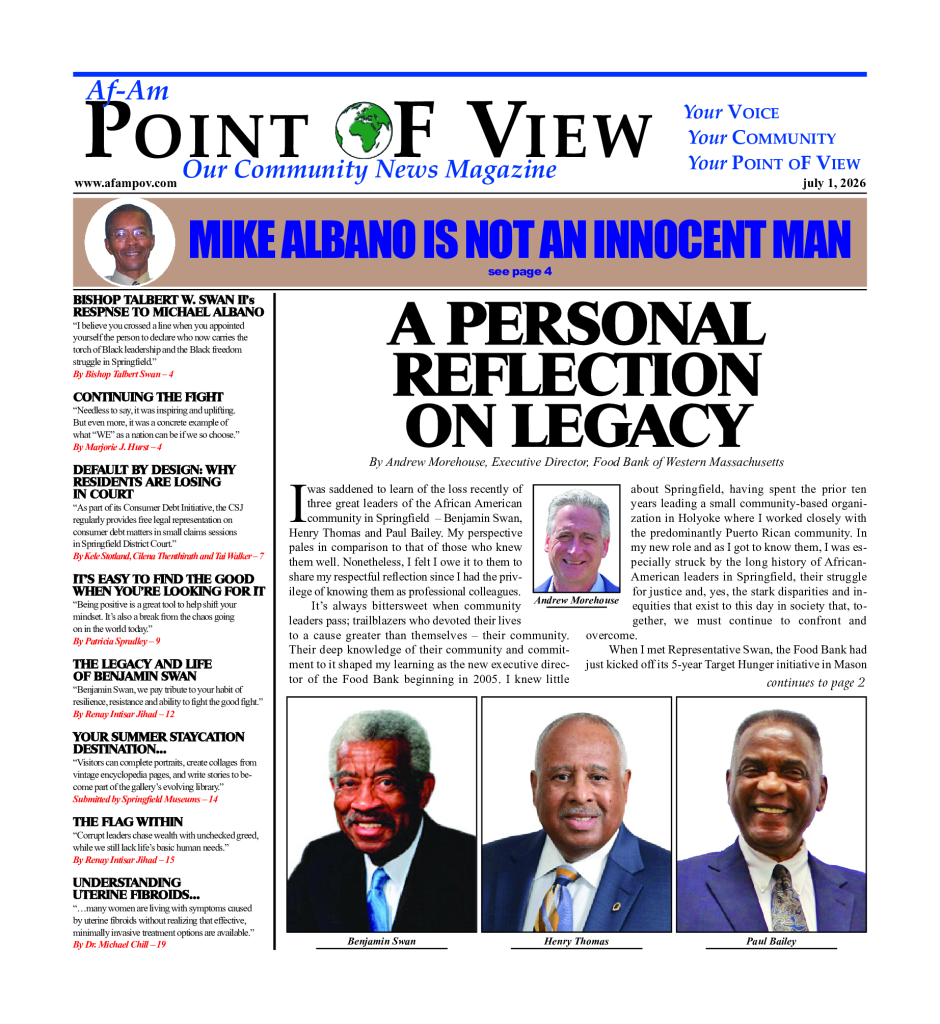
July 2026
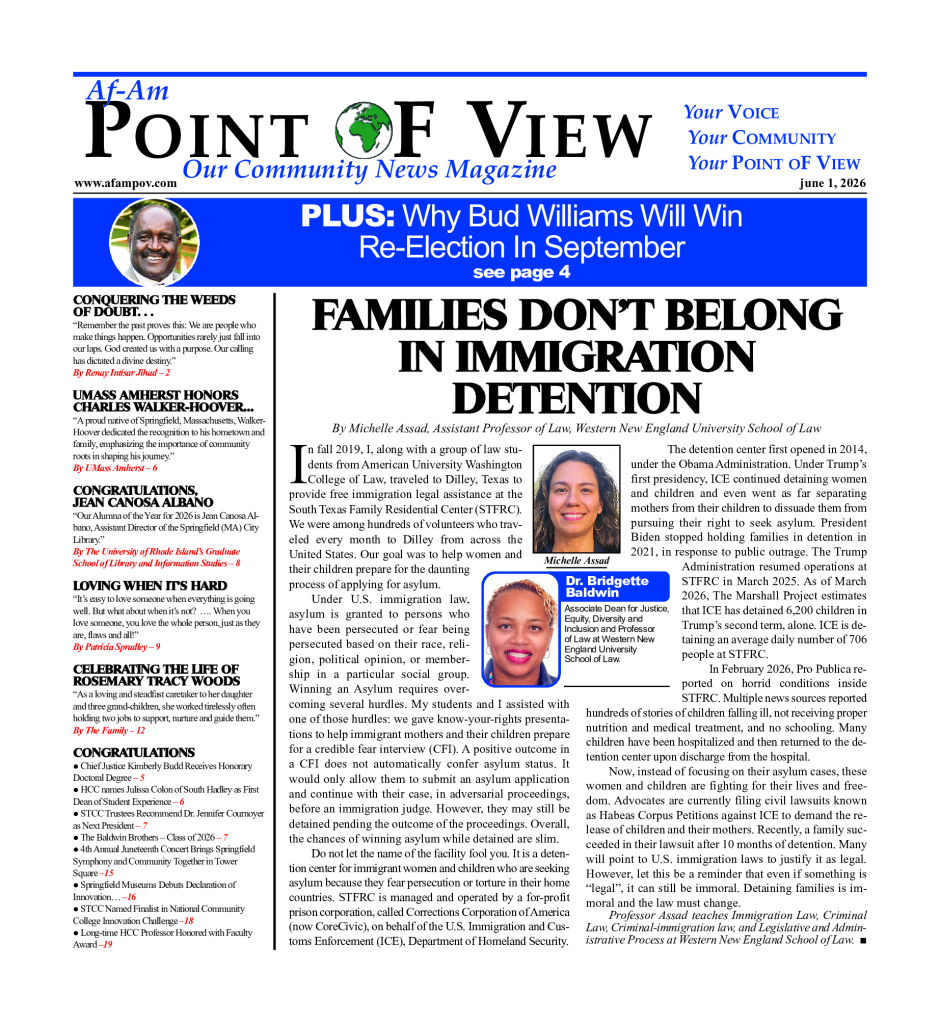
June 2026
May 2026
See More Past Issues of Af-Am Point of View Newsmagazine